
The digital twin for municipalities and cities
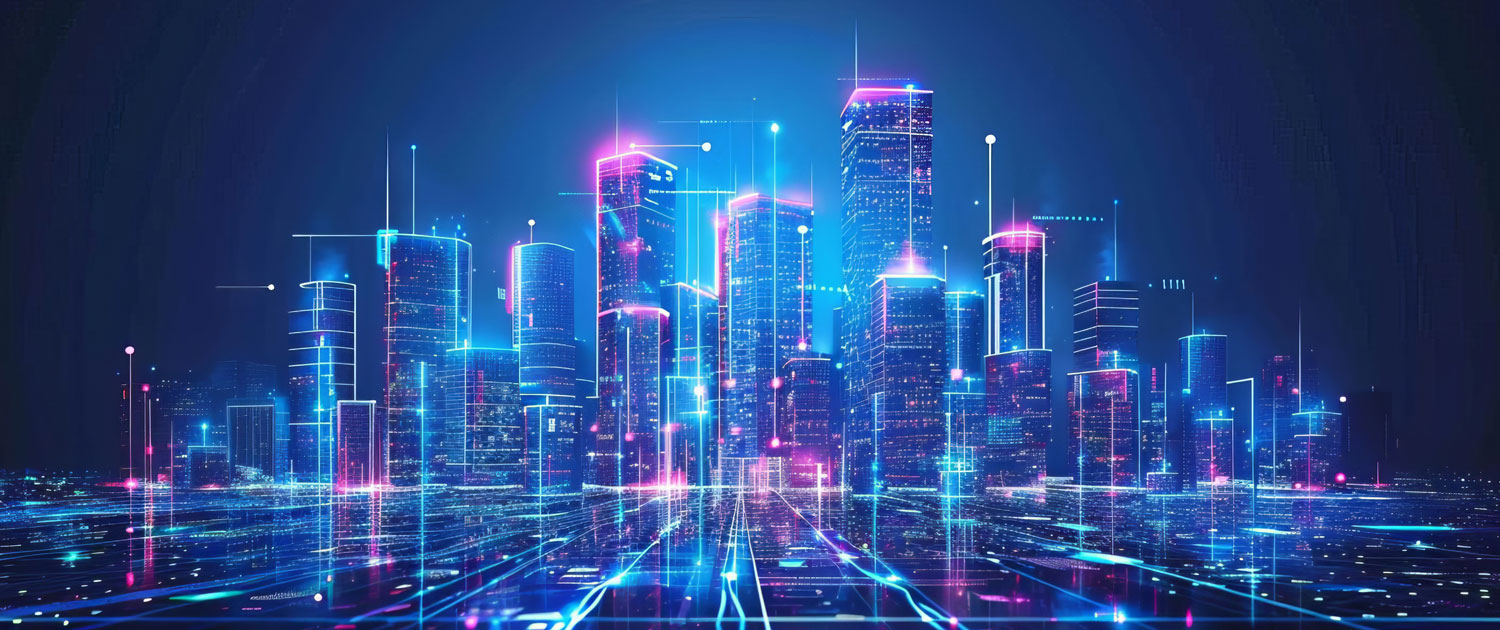
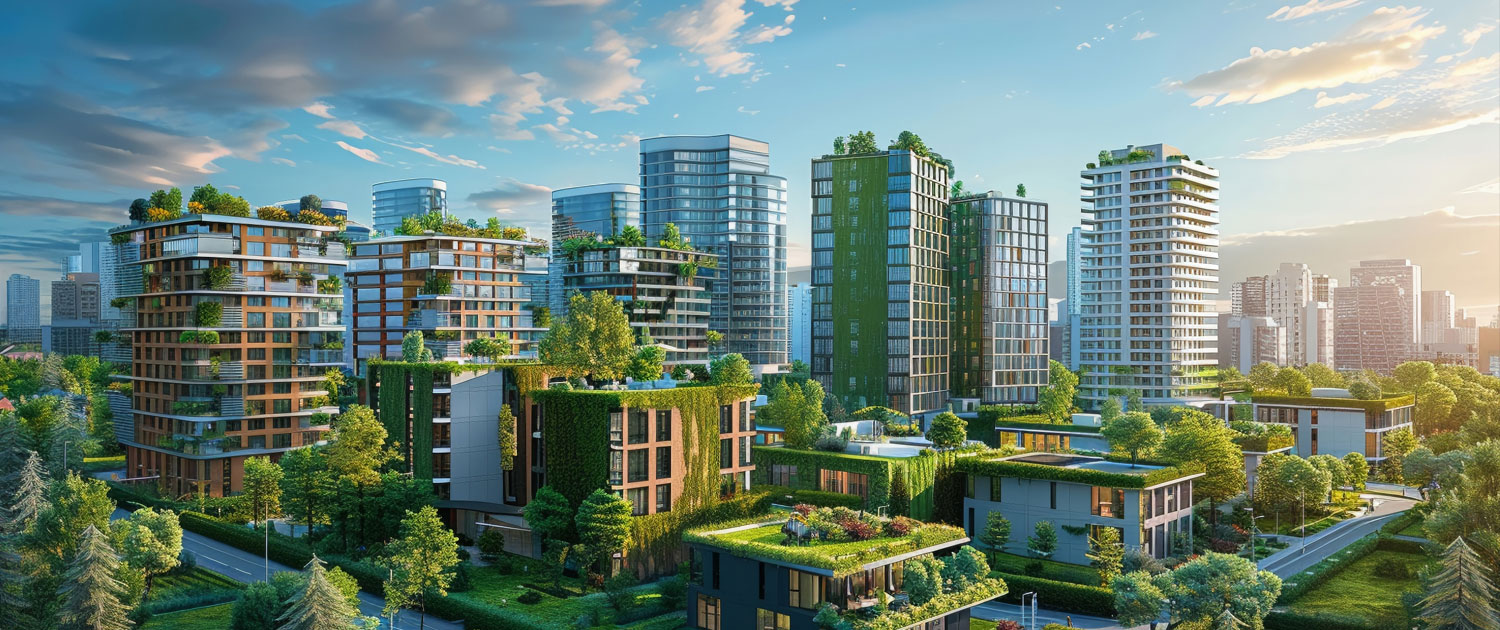
Digital twins are revolutionizing urban and landscape design: they combine precise data in real time and offer city planners and developers a powerful tool for planning and decision-making. With a digital twin, you can not only simulate complex urban projects, but also design them more efficiently before the first construction measure begins. This virtual copy of your city provides valuable insights and allows you to test scenarios, identify potential challenges early on, and develop sustainable solutions. Whether it’s traffic flows, energy efficiency, or environmental impact, the digital twin creates an interactive platform for optimally planning every facet of urban spaces. Harness the potential of this technology to make your projects future-proof and create a livable, smart city. The digital twin is more than a planning tool—it is the key to the city of the future. Step into the next dimension of urban development!
4 out of 9 experts in AR, VR, MR, XR for the digital twin.



Concept, strategy & idea
The first question that arises is how to embed an experienced team like Logan Five into the “digital twin” concept space. Our expertise guides planners and visionaries toward the many virtual solutions, their feasibility, and plausibility. Using a proof of concept, we approach the presentation and one of the first tasks, which may already be linked to sensor technology. But what about the strategic environment, the visual framework that encompasses everything? Communication requires a concept that revolves around “technology,” especially for cities (but also for all industries).
Our suggestion is:
Strategy, concept, and brand: Let’s work together to find a common ground that will make such a project promising and sustainable. Let’s not reinvent the wheel, but rather join us on the path of feasibility, expandability, and scalability.
About the guidance on earnings
Through a structured approach, urban planners and communications specialists ensure sustainable and future-proof urban development by making data-driven decisions and gradually expanding digitalization.
Communicative and technical consulting by Logan Five
- Preliminary discussions in specialist departments
- Supporting the teams and explaining feasibility and no-gos
- Estimation of the potential cost framework
- Development of the “digital twin” communication concept
- Brand concept: The brand is everything and forms the comprehensible, visual link.
- Corporate design and platforms for application
- Soft embedding
- Help with formulating offers
- Accompanying the project
Project structure
Analysis and definition of objectives for the embedded concept
- Goal clarification: Defining the main goals of the digital twin (e.g., traffic optimization, energy efficiency, sustainability)
- Identification of stakeholders: Involvement of planners, developers, citizens, utility companies, and political decision-makers
- Data inventory: Inventory of existing data sources
Planning the data infrastructure
- Data management system: Selection of a central system for storing and managing data
- Data interfaces: Setting up APIs for the integration of various data sources (e.g., traffic management systems, weather data, sensors)
- Security and data protection requirements: Definition of security standards and measures for the protection of personal data
Prioritization of areas to be digitized
- Transport and mobility systems: Development of a digital transport infrastructure to optimize traffic flow and integrate mobility solutions (e.g., e-mobility, public transport)
- Infrastructure facilities (supply and disposal): Digitization of electricity, water, and wastewater systems for better management and maintenance
- Buildings and urban infrastructure: Recording buildings, roads, and public spaces to better understand their structure and use
- Environment and climate: Integration of weather data, air quality measurements, and natural resources to take ecological aspects into account
Creation of 3D city models
- Building modeling: Capturing buildings and their surroundings (e.g., 3D models of urban structures)
- Infrastructure modeling: Mapping of roads, bridges, transport routes, and supply networks
Real-time data integration
- Sensory data sources: Integration of real-time data sources, such as sensors for traffic, energy consumption, or environmental pollution
- Traffic management systems and mobility: Implementation of live data from traffic management systems to enable real-time simulations
Simulation and analysis
- Scenario simulations: Testing various urban development scenarios (e.g., effects of new buildings or transport routes)
- Sustainability analysis: Examination of the impact of plans on the environment and energy consumption
Citizen participation and transparency
- Interactive platforms: Development of citizen portals for communication and participation in urban planning
- Visualization of projects: Presentation of projects in AR/VR for better decision-making and citizen participation
Maintenance and continuous updating
- Continuous data collection: Regular updating of the digital twin with new data (e.g., building changes, traffic volume)
- Monitoring and optimization: Analysis of ongoing data to optimize urban processes and infrastructure.